Living
- Details
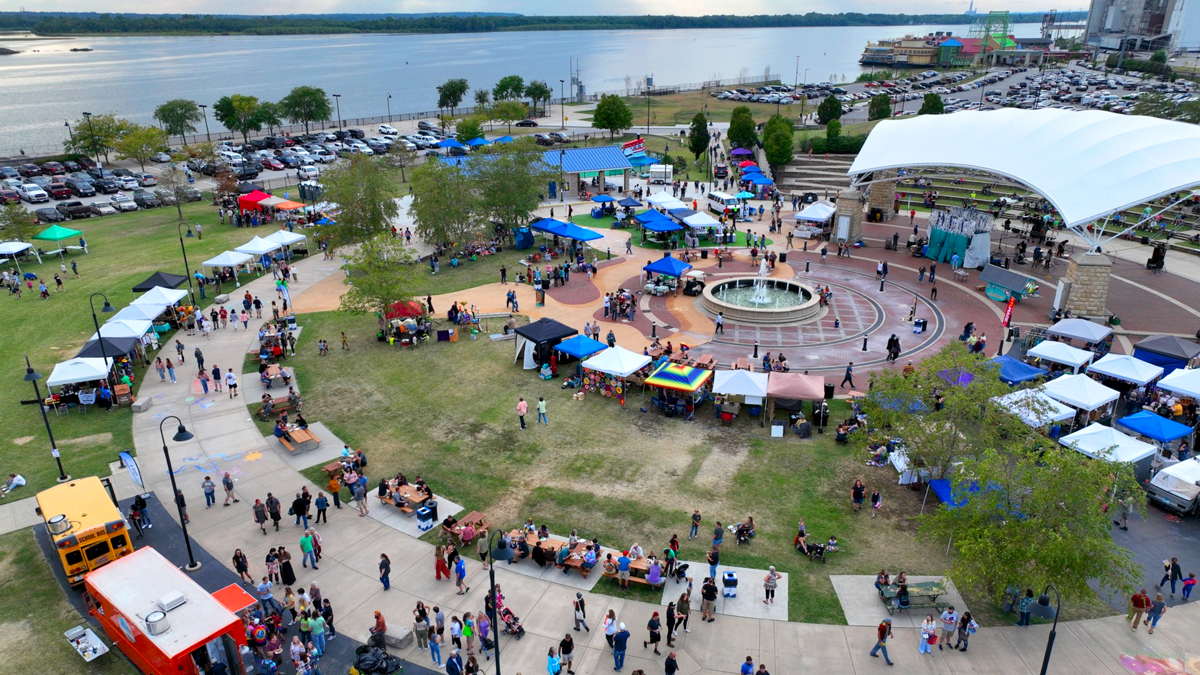
The Mississippi Earthtones Festival, brought to you by Alton Main Street, the Sierra Club Illinois’ Three Rivers Project and Jacoby Arts Center, is a celebration of the Mississippi river through art, music and conservation. This event is held annually on the 3rd Saturday in September.
Located on the banks of the Mississippi River at the Alton Amphitheater, this year’s event will take place on Saturday, Sept. 19 from noon to 10 p.m. Family-friendly activities take place from noon until 6 p.m., and festival goers will enjoy artist booths and live music which continue until 10 p.m.
- Details

From big cities and state parks to rich history and culture, Illinois truly has something for everyone. In 2025, Illinois drew a record-breaking 115 million domestic and international visitors to the state – an increase from 2024.
According to data provided by Tourism Economics, visitor spending grew 3.5% to $50.2 billion, surpassing the $50 billion mark for the first time in Illinois history. As a result of tourist spending and visits in 2025, the total economic impact amounted to $88 billion and produced $4.9 billion in direct state and local tax revenue, reinforcing tourism’s role as a key driver of economic growth in communities across Illinois.
- Details
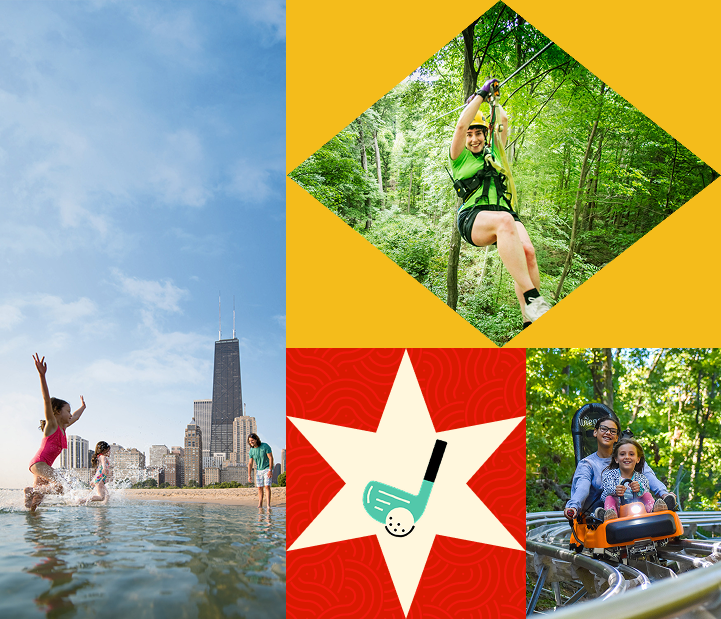
Illinois is known for its accolades and for holding many titles. Thanks to a new WalletHub analysis, Illinois can now boast that it is the third most fun state in the country. Only trailing behind California and Florida, Illinois ranks number three in the “Entertainment and Recreation” category and number two in the “Nightlife”’ category.
In order to determine the most fun states in America, WalletHub compared the 50 states across two key categories, “Entertainment & Recreation” and “Nightlife.” With fun and affordability in mind, WalletHub compared 26 key indicators of enjoyable experiences that won’t break the bank. These range from movie costs to accessibility of national parks to nightlife options per capita.
- Details
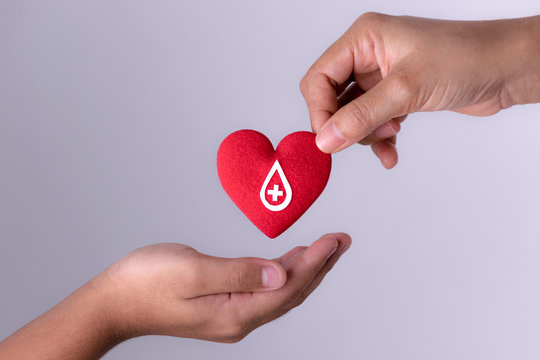
For Springfield resident David Butt, what started as a one-time blood donation to learn his blood type turned into donating blood 400 times.
Butt has been donating blood since 1990 and has now reached the 400-donation mark. In honor of that milestone, the Fresenius Kabi National Blood Donation Hall of Fame will recognize him this year.
Twice a month, Butt makes his regular Power Red donation, which removes the platelets from his blood for donation. He used to donate whole blood, which can be done every 56 days, but he switched to platelet donation in 2008.
- Details
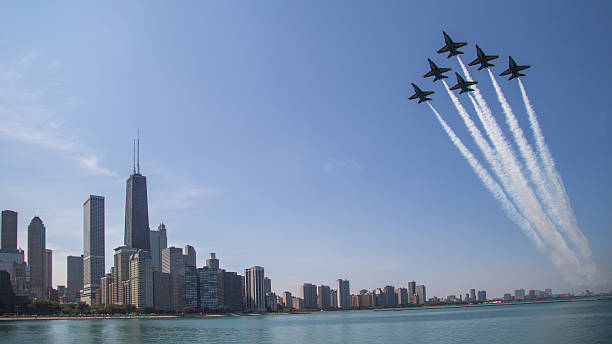
One weekend in August, the Chicago lakefront hosts the largest and oldest free-admission air and water exhibition in the United States. This past weekend (Aug. 15 – Aug. 16), Chicago’s lakefront saw over one million visitors for the annual showcase and bone-rattling displays.
Although this display is best seen on Chicago’s lakefront, you can see and hear the display from around the city which makes this a one-of-a-kind display. Whether you are at show-center at North Avenue Beach, in the Loop, at Wrigley Field, on a boat in Lake Michigan, or on one of the countless rooftops across the city, you can see and hear the displays from all across the city.
More Articles …


I LIKE ILLINOIS © Copyright 2025