Did You Know
- Details
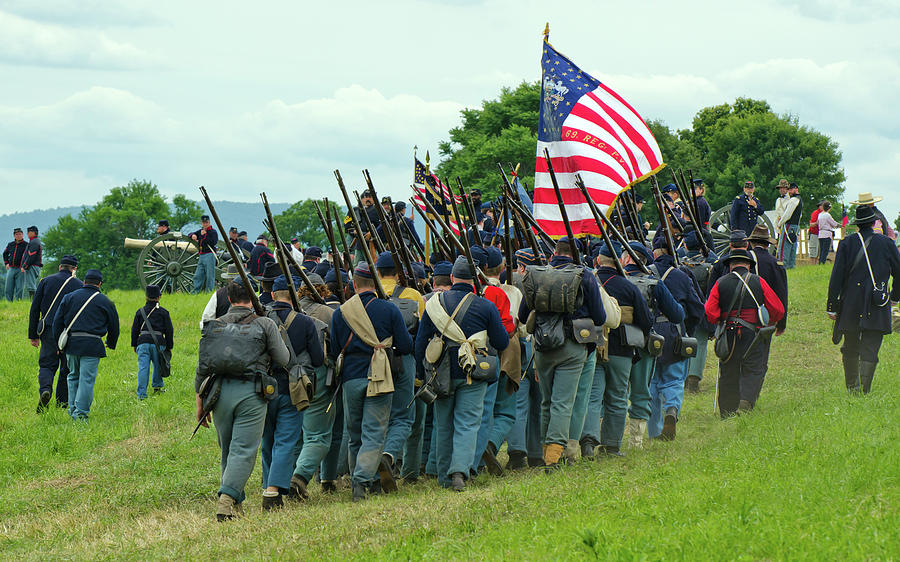
History will come to life in Princeton this October as one of Illinois’ unique fall traditions returns for its 30th year.
Shadows of the Blue and Gray will take over City-County Park in Princeton Oct. 10-11, offering visitors the chance to experience Civil War-era life through living history demonstrations, reenactments and educational activities.
Rather than simply reading about the past, visitors can walk through Civil War camps and speak with reenactors portraying soldiers and civilians from the 1860s. Reenactors will share what everyday life was like during the Civil War era, giving guests a closer look at the experiences of those who lived through one of the most consequential periods in American history.
One of the highlights of the weekend will be a narrated mock battle held on both Saturday and Sunday. The demonstrations will feature infantry, cavalry and artillery, while smaller skirmishes may also break out across the grounds throughout the day.
Younger visitors can get involved, too. Children will have the opportunity to complete a scavenger hunt while exploring the event, with a prize waiting for those who finish.
The weekend also continues its educational mission with a free School Day on Friday, Oct. 9. Local public, private and homeschool groups can attend by appointment, giving students an opportunity to experience history outside of the classroom.
Admission for the public is $5 per person, while children 3 and younger can attend for free. Food will be available on site, and visitors are also welcome to bring their own.
Whether you’re a history enthusiast or simply looking for a different way to spend a fall weekend in Illinois, Shadows of the Blue and Gray offers a chance to step into the past and see history from a new perspective.
Learn more and plan your visit through the Shadows of the Blue and Gray website.
- Details
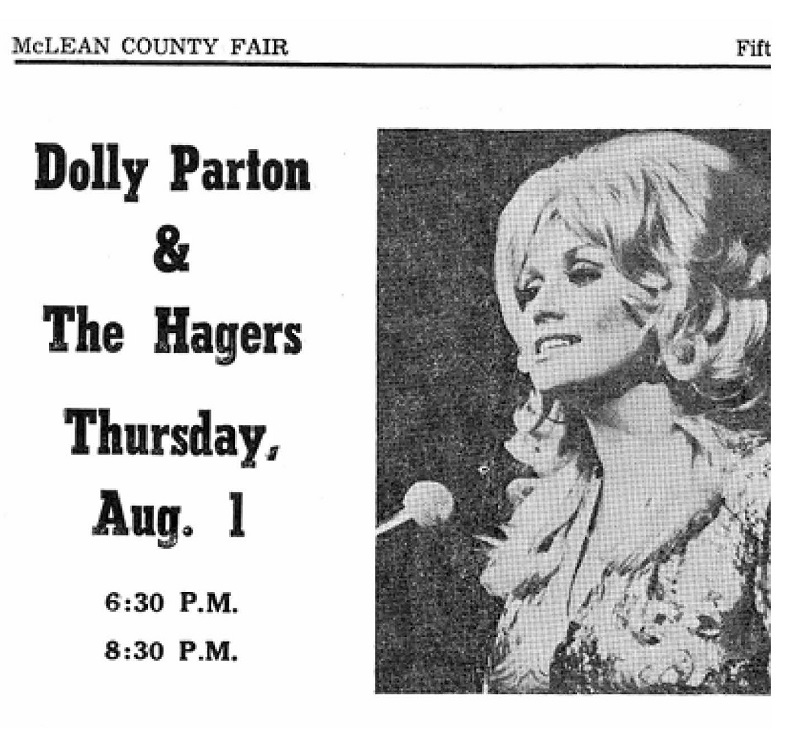 Dolly Parton, American singer, songwriter, actress and champion of children’s literacy philanthropy passed away on Tuesday. Parton leaves behind a legacy of kindness and generosity, and her influence extends to families across Illinois.
Parton made her Illinois debut in 1968 at the Champaign County Fair with the Porter Wagoner Show.
- Details
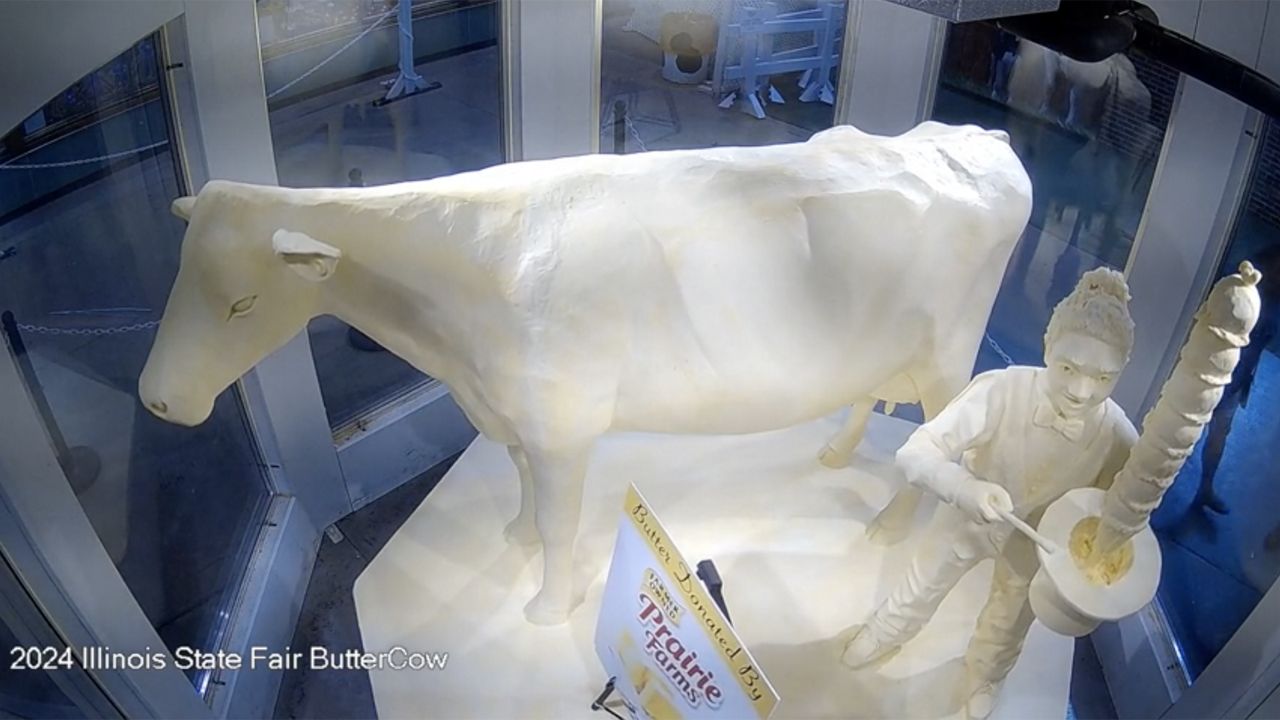
The Illinois State Fair is filled with traditions, from carnival rides and concerts to livestock competitions and plenty of fair food. But for generations of fairgoers, no trip to Springfield is complete without stopping by the Dairy Building to see one of the fair’s most recognizable attractions... the Butter Cow.
The Butter Cow has been an unofficial icon of the Illinois State Fair since the 1920s. Each year, approximately 500 pounds of unsalted butter are carefully sculpted by hand to create the life-sized cow. The process takes several days, transforming an everyday dairy product into a work of art.
- Details

Corn fields cover roughly 30% of Illinois, accounting for more than 11 million acres of land. Corn, just like other plants, experiences evapotranspiration. Evapotranspiration is a process that transfers water from land and plant surfaces into the atmosphere through evaporation while also releasing water into the atmosphere through transpiration, where water is pulled from the soil through plant roots and released as water vapor through the plant’s pores.
- Details
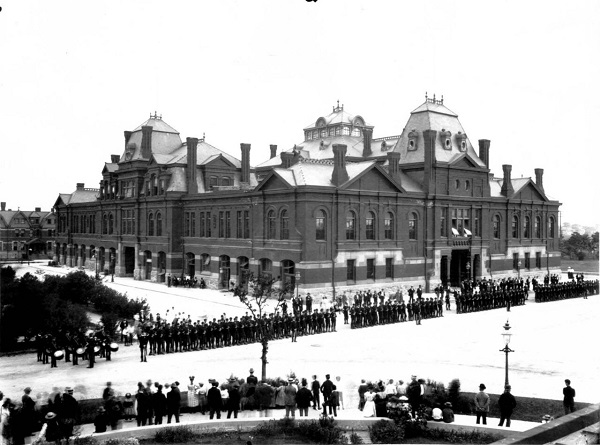
On May 11, 1894, the Pullman Strike began near Chicago, Illinois, later leading to the creation of Labor Day.
During an economic recession, George Pullman laid-off hundreds of employees and cut wages for the remaining workers at the Pullman Sleeping Car Company, a railroad car manufacturer with a company town near Chicago.
More Articles …


I LIKE ILLINOIS © Copyright 2025