Just the Facts
- Details
While many Illinoisans know the red crest of the Northern Cardinal as the state bird, there are a variety of unique symbols that tell the story of our state. The tradition of state symbols began over two centuries ago after the state was admitted to the Union in 1818, and the collection of symbols have continued to evolve throughout history.
A road trip through the state reveals endless cornfields, so it’s no surprise the state snack is popcorn. It became the state snack as a result of a student-led civic project at Cunningham Elementary School in Joliet. The students wanted to learn how a bill became a law, so they researched Illinois agriculture and chose popcorn due to the economic importance of popcorn in Illinois. It caught the attention of Illinois legislators, which resulted in the passage of Senate Bill 1051 in 2003.
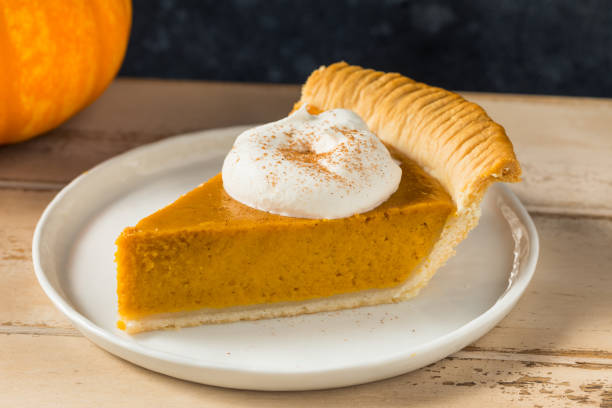
A second niche state symbol is the state pie. While pumpkin pie is commonly associated with Thanksgiving, pumpkin has a rich history in Illinois as well. Illinois produces about 85% of processed pumpkins used nationwide. Similar to corn, pumpkins are central to the agricultural identity of the state. A bill was signed into law in 2015 officially recognizing pumpkin pie as a state symbol.
Just as important as fueling the body, cycling was named the state exercise on Jan. 1, 2018 to reflect the state’s commitment to public health and the safety of cyclists. Illinois already had a strong reputation for bike-friendly policies. In 2017, the League of American Bicyclists ranked Illinois as the top state in “Legislation and Enforcement” in cycling policy. To further back up the legitimacy of cycling being named the state exercise, there were three bicycle laws that went into effect on Jan. 1 to further promote bicycle safety.
Whether you’re savoring a bite, enjoying a treat, or breaking a sweat, these state symbols celebrate the unique spirit that keeps our community moving.
- Details
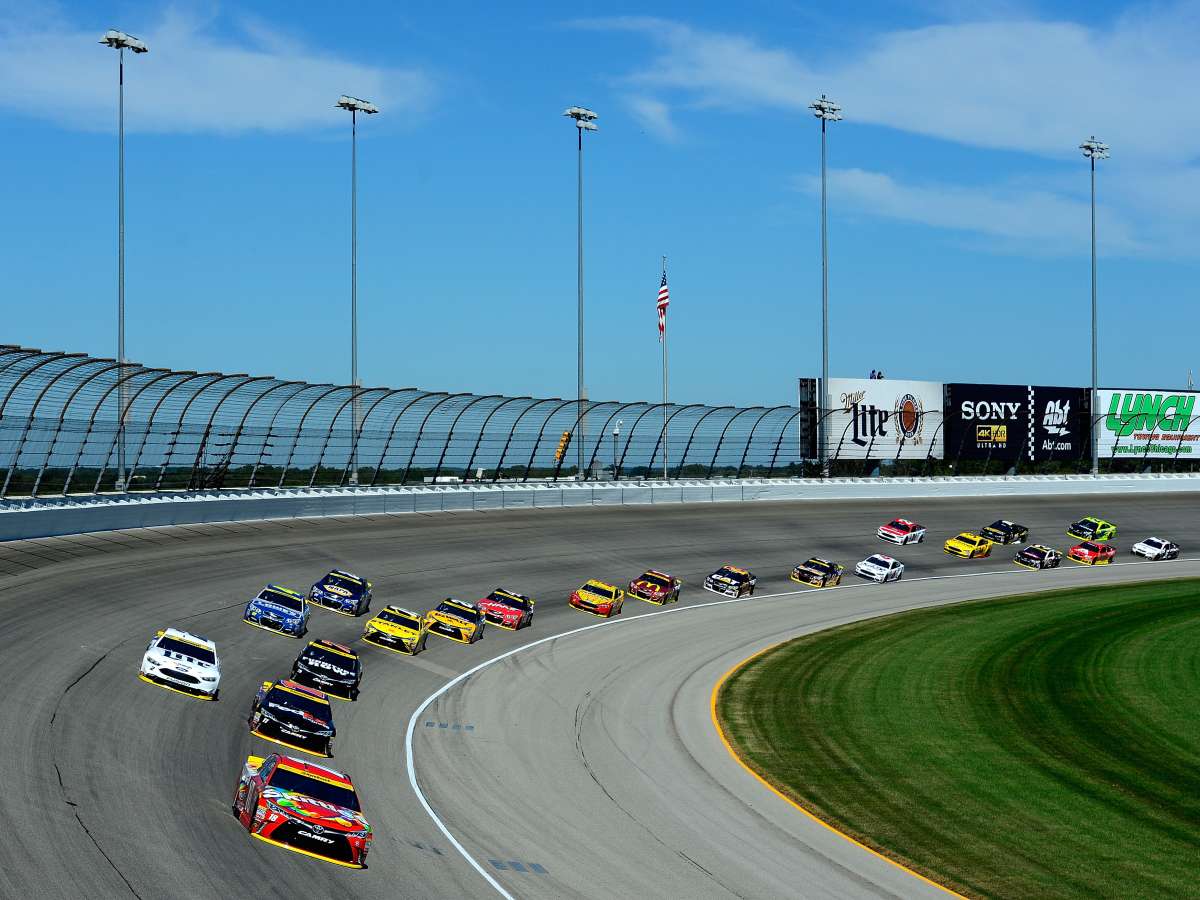
NASCAR will race at Chicagoland Speedway in 2026! The sport returns to the 1.5-mile facility for the first time in seven years, with the NASCAR Cup Series scheduled to race at the oval on July 5. The NASCAR O’Reilly Auto Parts Series will join the Cup Series for a points-paying race, slated to run on July 4.
In 2001, the gates to Chicagoland Speedway opened up for NASCAR, ARCA, IndyCar and the International Race of Champion. In total, 90 races have been held with Kyle Busch holding the most wins at the track for a total of 10. Tony Stewart leads all drivers with three wins at the 1.5-mile paved oval in the NASCAR Cup Series. Kevin Harvick has four wins in the NASCAR Xfinity Series, while Kyle Busch has five wins in the Craftsman Truck Series. Since the beginning, Chicagoland Speedway has produced some of the closest finishes in IndyCar history, the 2018 "Slide Job" between Kyle Busch and Kyle Larson during the Overton's 400 and the infamous orange rolling down the track during qualifying in 2004.
- Details
This summer, NPR Illinois—the NPR member station based in Springfield (WUIS 91.9 FM)—reaches a significant milestone: 50 years on the air. What began in 1975 as WSSR at what was then Sangamon State University has evolved into a vital statewide voice, rebranding as NPR Illinois in 2015 and building a reputation for in-depth reporting, community storytelling, and thoughtful connection across Illinois communities.
To commemorate half a century of service, NPR Illinois is launching a special exhibit on Sept. 18 at the Lincoln Public Library, where visitors can explore oral histories, archival audio, and photos reflecting the station’s journey from its university roots to its current role in local media. The exhibit remains on display through May 2026 and will travel across the NPR Illinois listening area, making stops in Decatur, Jacksonville, Lincoln, and more to engage listeners regionally.
Alongside the exhibit, NPR Illinois programs like Community Voices and State Week continue to spotlight local stories—from Midwestern small businesses to lesser-known cultural groups—living out the station’s mission to “explain Illinois.” Recent innovations include the launch of J‑Corps, a citizen journalism initiative that trains everyday Illinoisans—including a mother-daughter reporting duo from Springfield Muslim communities—to tell their own stories on the air.
As NPR Illinois celebrates its milestone, the station is facing challenges: federal support for public media was recently eliminated. Still, leadership affirms that listener contributions and grassroots support the backbone of the operation.
NPR Illinois has grown into an essential source of regional reporting, combining national programming with Illinois-focused content. Its schedule now features national voices like Morning Edition and All Things Considered, alongside locally produced shows and podcasts that reflect the diversity of Central Illinois and beyond.
From the silent moments in the newsroom of a university radio station to multi-city celebratory exhibits, NPR Illinois’s story is one of adaptation and community trust. As it marks a half-century of storytelling, the station continues to invite listeners to support public radio’s role in fostering informed citizenship—one story at a time.
- Details
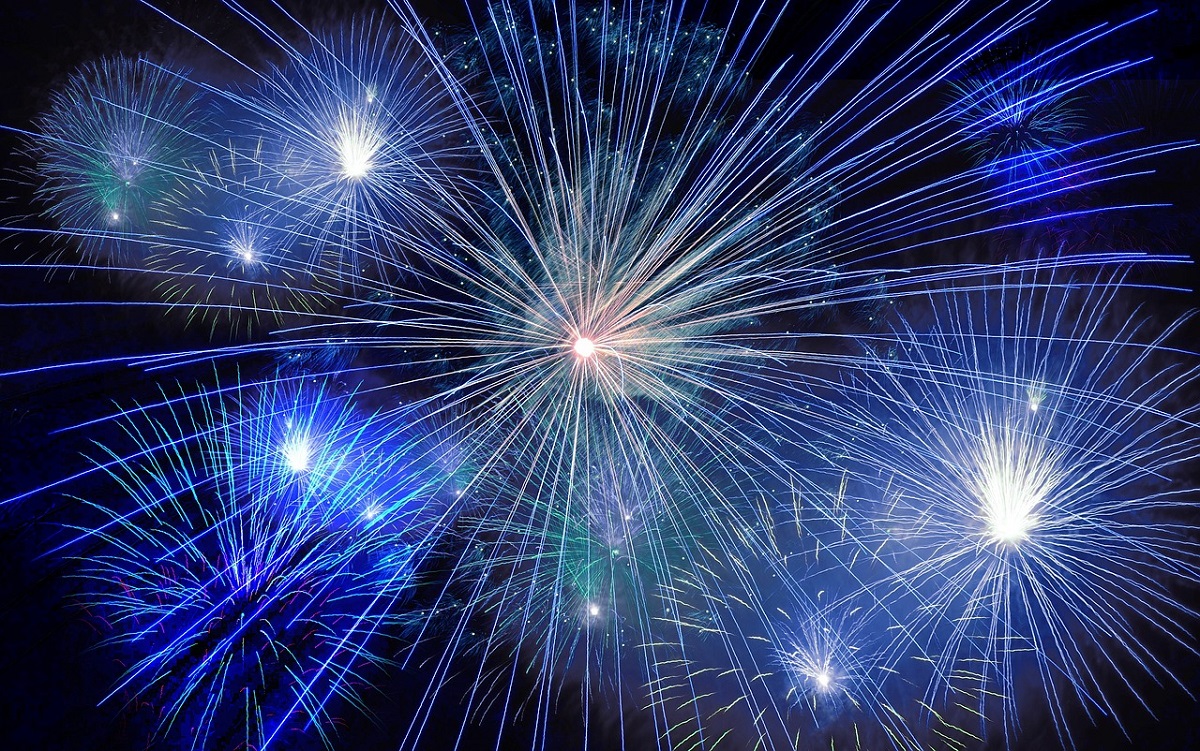
Illinois lights up the night sky in July with unforgettable fireworks displays and daylong festivities. One of the state’s largest events takes place in Peoria, where the beloved Red, White, and Boom! celebration attracts around 200,000 people along the riverfront. Thousands gather to enjoy live music, food vendors, family fun, and spectacular fireworks launched from barges on the Illinois River—making it one of the top shows in the nation.
For city residents and tourists alike, Navy Pier in Chicago offers a stellar fireworks experience. Though the pier won’t be hosting a firework display on July 4 this year, its summer schedule includes a dazzling fireworks show every Wednesday at 9 p.m. and Saturday at 10 p.m., including an exceptional performance on July 5. The pier’s backdrop of Lake Michigan and downtown Chicago makes it a stunning place to catch an evening of sparkle.
In the northern suburbs, the Mundelein Community Days Festival takes place from July 3-6 and features a whole weekend of celebrations. Alongside a car show, pet parade, face painting, carnival attractions, and live music, the festival features dusk fireworks over the lake, bringing out families and friends for a festive experience.
Planning to attend a small-town celebration? The town of Sandwich is hosting Freedom Days on July 5 in their park district, offering an opportunity to get out and enjoy the sun. After a morning parade at the fairgrounds, live music, food trucks and games keeping families entertained throughout the day, culminating in a bright and cheerful fireworks display.
Near Springfield, the Chatham Rock the Dock event on Lake Springfield presents one of Central Illinois’s finest fireworks displays on July 4. It’s a perfect choice for a more relaxed evening by the lake, with music, boat watching, and a glowing sky to enjoy.
From riverfront spectacles and lakeside charm to bustling pier shows and small-town parades, Illinois delivers fireworks and festivities that capture the spirit of Independence Day. Wherever you are, arrive early, grab a good seat, enjoy the concert or carnival, and prepare for a truly memorable night under the stars.
- Details
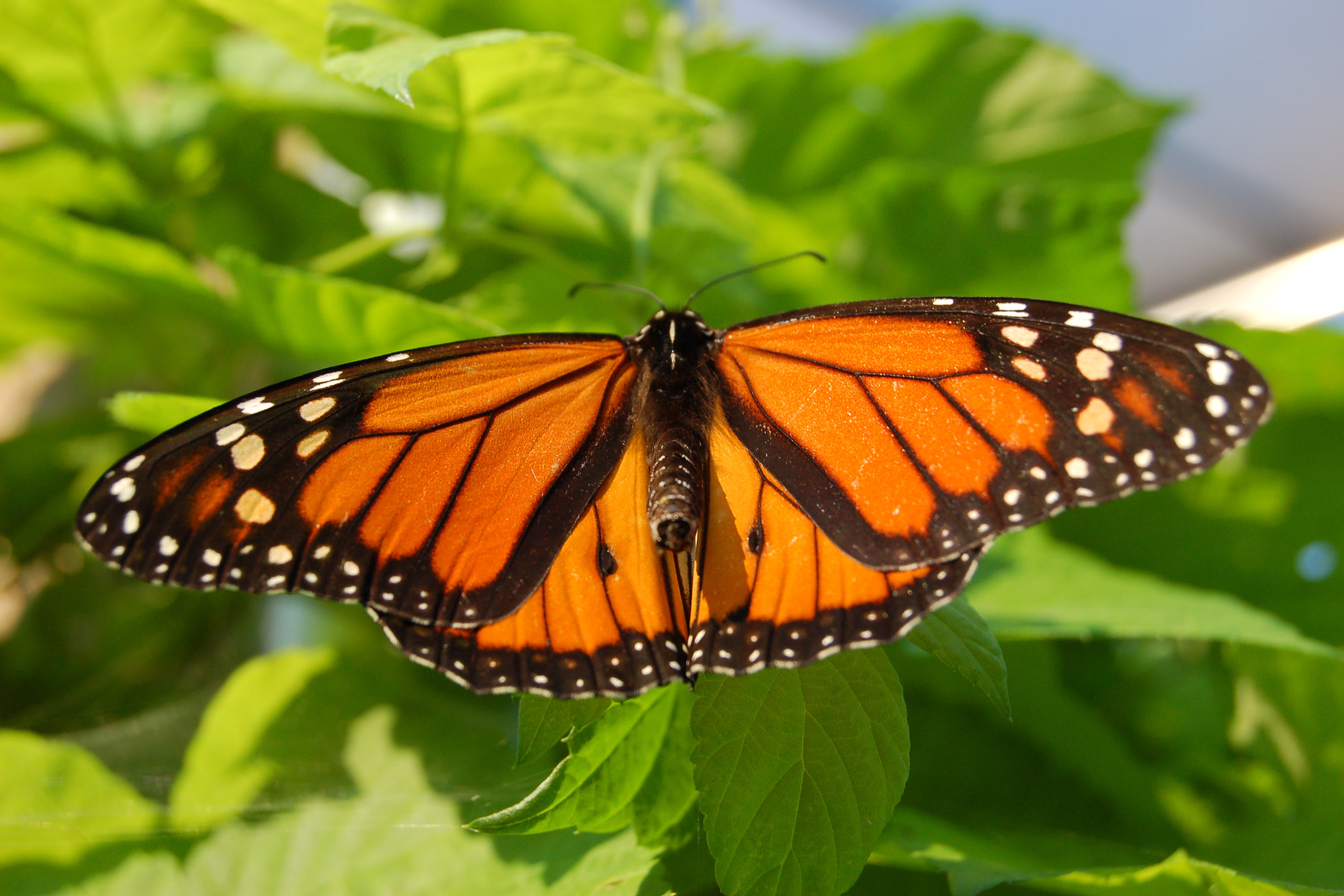
On March 14, communities and nature enthusiasts come together to celebrate National Learn about Butterflies Day.
This special day is dedicated to exploring and appreciating butterflies, the delicate creatures that add beauty and color to our world.
In our great state, the monarch butterfly is the official state insect. There are four main stages in the life cycle of a monarch butterfly: egg, larva, pupa and adult. The entire process usually takes one to two months, although it can vary depending on the species. Adult butterflies typically live for about two to four weeks, although some species can live for up to a year.
Additionally, this butterfly has a wingspan of three and one-fourth to four and seven-eighths inches. The male has bright orange wings with black veins and black edging. The black border contains two rows of white spots. The female is dull orange with scales along the black veins. The body and antennae are black. The front legs are small and not used for walking. The caterpillar has rings of yellow, black and ivory on each segment and black and white stripes on the head.
They spend winters in central Mexico or the Gulf of Mexico. The monarchs that return in the spring are not the ones that migrated south but are their offspring. The larva eats milkweeds, which is our state wildflower, and adult monarchs visit flowers for nectar.
To learn more about the monarch butterfly, visit the Illinois Department of Natural Resources’ website.
More Articles …


I LIKE ILLINOIS © Copyright 2025