
Economy
- Details
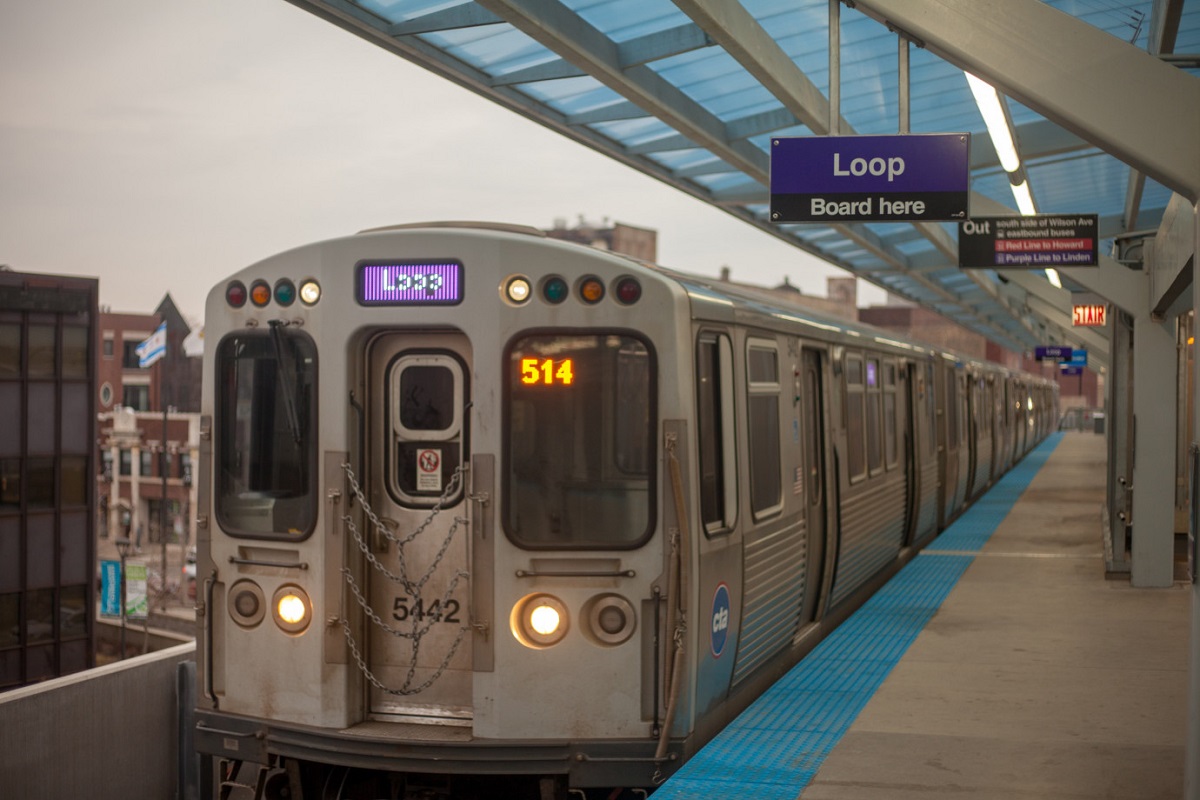
The Chicago ‘L’ has been winding its way through the city’s alleys and rumbling past windows for well more than a century. For many Chicagoans, it’s part of everyday life. But it wasn’t always the system people know today – or even known by the same name.
The first L lines were privately owned and operated as separate companies. In 1892, according to Chicago Transit Authority historian and expert Graham Garfield, who tracks the extensive history of the ‘L,’ the Chicago and South Side Rapid Transit Railroad began operating the first elevated train. A steam locomotive pulled wooden coaches between terminals at Congress Street and what is now Pershing Road. The tracks plotted a 3.6-mile line adjacent to alleys, so it was dubbed the ‘Alley L.’
- Details
 NASA’s newest space telescope was recently launched into the atmosphere, and Illinois had a part to play in making that happen.
One of the scientists involved in building the telescope was an Urbana native, giving Illinois an interesting connection to the new space exploration tool.
- Details
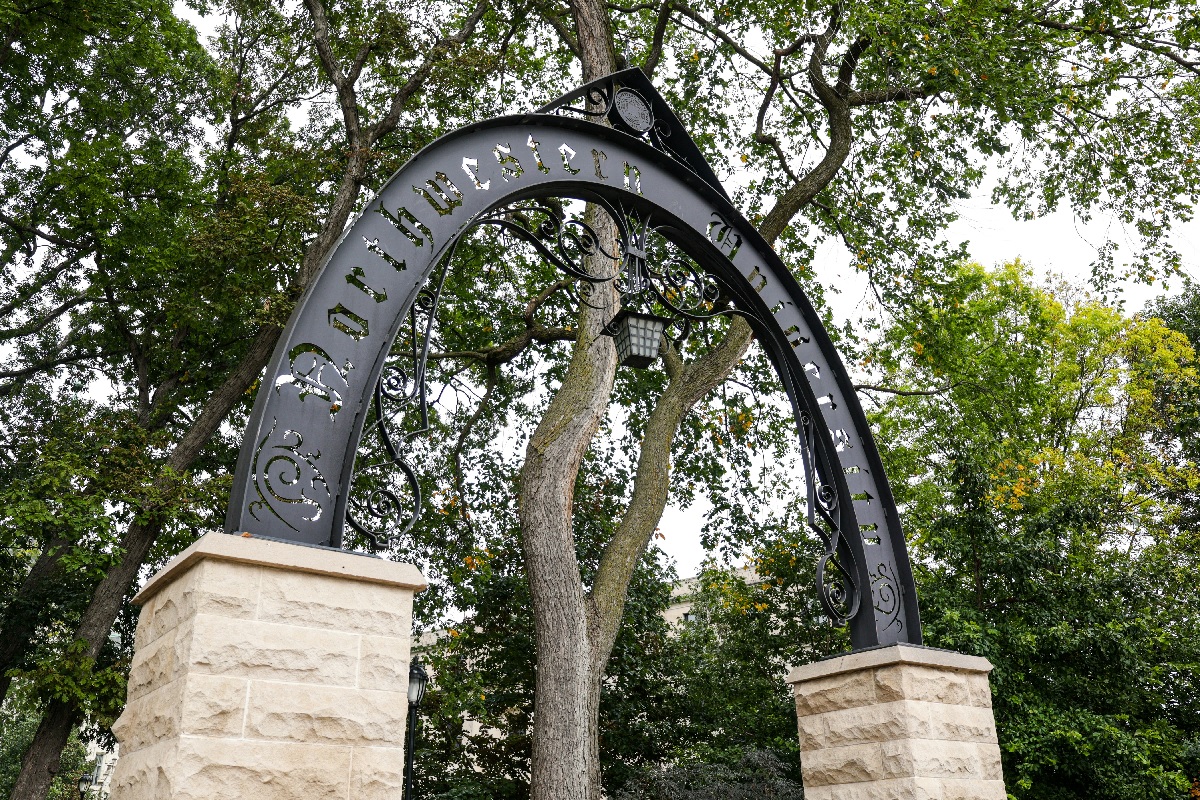 TIME Magazine recently released its inaugural ranking of the top 80 startup incubators and accelerators in the United States, which included The Garage at Northwestern University.
The Garage was ranked No. 5 on TIME Magazine’s list, behind New York’s TechStars, Massachusetts’ MassChallenge, Florida’s Tampa Bay Wave and California’s Y Combinator. The list included six organizations that are headquartered in Illinois, with The Garage being the highest-ranked of them. The other Illinois-headquartered organizations that were included on TIME Magazine’s list are The Polsky Center for Entrepreneurship and Innovation (No. 7), mHUB (No. 14), the University of Illinois Research Park (No. 27), MATTER (No. 61) and 1871 (No. 63).
- Details
 A new report reveals that prospective homebuyers in Illinois are more easily able to afford a new home than homebuyers in any other U.S. state are.
Visual Capitalist ranks Illinois as the easiest state in the nation for typical homebuyers to purchase a new home. According to the report, Illinois households have the largest income surplus among the states where median incomes are high enough to cover the cost of a median-priced home.
- Details
 When planning your next road trip, have some peace of mind knowing that Illinois boasts one of the safest commutes in the country.
A report from Beck and Beck, a car accident law firm, analyzed data from the U.S. Bureau of Labor Statistics and determined that Illinois ranked 10th in safest commutes.
More Articles …


I LIKE ILLINOIS © Copyright 2025