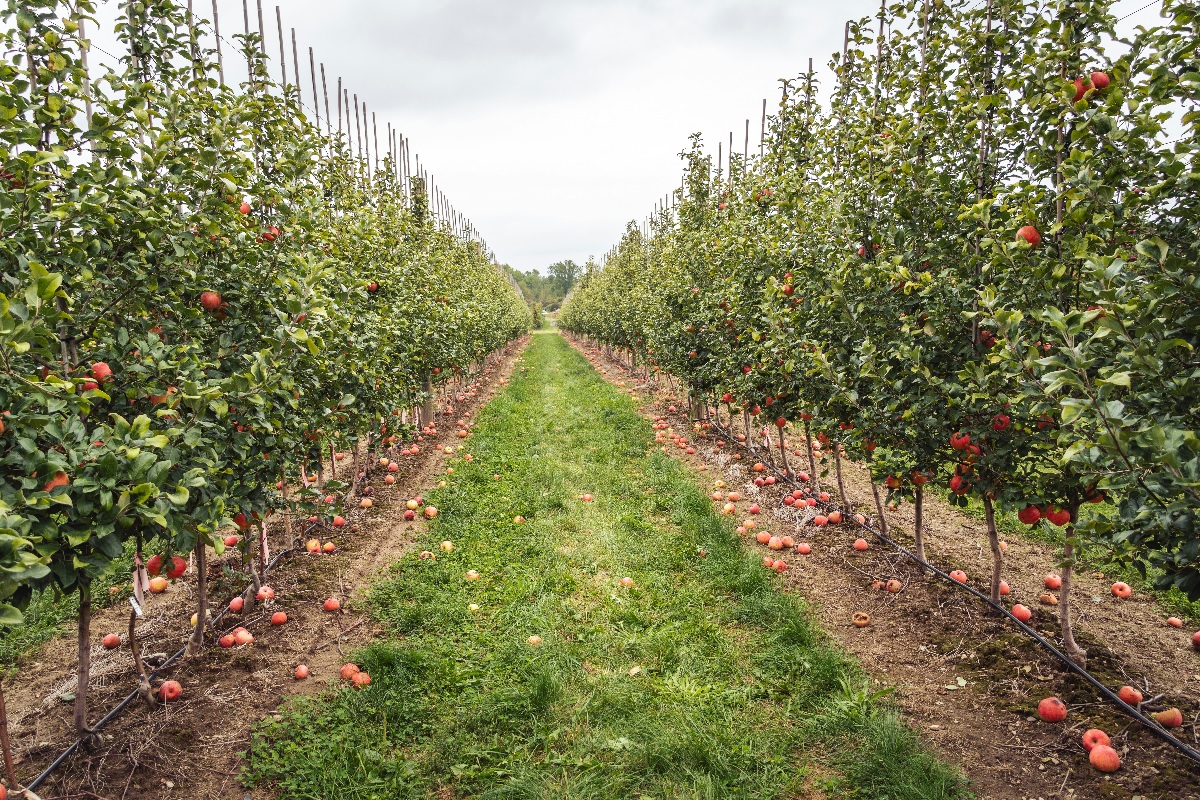
 Illinois is preparing to head into autumn, which is the busiest time of the year for apple orchards. This month, many different types of apples are in season, from Gala to Fuji to Empire. It is also the time of year when many fall festivals take place, usually featuring apple cider, hayrides and other fall-related activities.
Across Illinois, there are 102 apple orchards in 80 cities – everywhere from Papa’s Sweet Corn & Honeycrisp Apples in Northern Illinois to the Ryder Family Farm in Southern Illinois.
Nevertheless, how were apple orchards established in the state?
To answer that, we have to go back to the 1800s, when the western United States was still being explored and steamboats were just becoming popular.
John Chapman, more commonly known today as “Johnny Appleseed,” was born on Sept. 26, 1774 in Massachusetts, but his life stretched across many more states than that. In the early 1800s, Chapman moved to Ohio, picking up apple seeds in Pennsylvania and planting them along the way.
After reaching Ohio, he kept traveling west and planting apple seeds, through Indiana and – eventually – Illinois.
Contrary to the Johnny Appleseed legend you may have heard, he did not always hand out apple seeds to people who needed them. Most of the time, he would trade the apple seeds with new settlers so they could grow their own orchards.
Another difference from the Johnny Appleseed legend was his interest in apple seeds. One main reason Chapman planted apple seeds was the cider he could make from the apples, which was an essential American drink at the time. The other major reason was that orchards were a way to determine who had claim to certain land, allowing Chapman to own about 1,200 acres of land when he died.
Despite these differences, we still celebrate Johnny Appleseed today. Crystal Lake even holds an annual Johnny Appleseed Festival every September, honoring the legacy of the man who was known for planting apple trees across Illinois – regardless of his purpose for doing so.


