 County fair season is in full swing across Illinois, bringing residents closer to agriculture and history.
Steeped in rich history and tradition, county fairs have been a staple of showcasing the innovation and techniques of modern farming. In 1841, the Union Agricultural Society held its first annual fair in Naperville and shortly later, other counties began hosting their own fairs including Knox in 1851 and McHenry in 1852. Illinois held its first state fair in 1853. Activities at the fairs included livestock judging, plowing contests and horse races. As technology progressed, it was also common to see car races and airplane demonstrations.
In the early 1900s, the Illinois Farmers’ Institute began sponsoring chapters of a new agriculture education youth organization called 4-H. The organization encouraged boys and girls to participate in the fair as exhibitors, not just spectators. Students participated in livestock showing and domestic arts competitions such as baking and sewing competitions. 4-H chapters have continued to grow across the state and hundreds of 4-H members travel to their county fair to showcase their animals today.
As technology evolves, so does agriculture – but the county fair seems to be the only place time stops. Things might look a little different but side by side, a county fair in 2026 is not much different than a fair in 1926. The traditions still stand. 4-H students participate in livestock showing or hope their pie gets first place. Residents across the state still travel to attend county fairs and learn about innovation in agriculture.
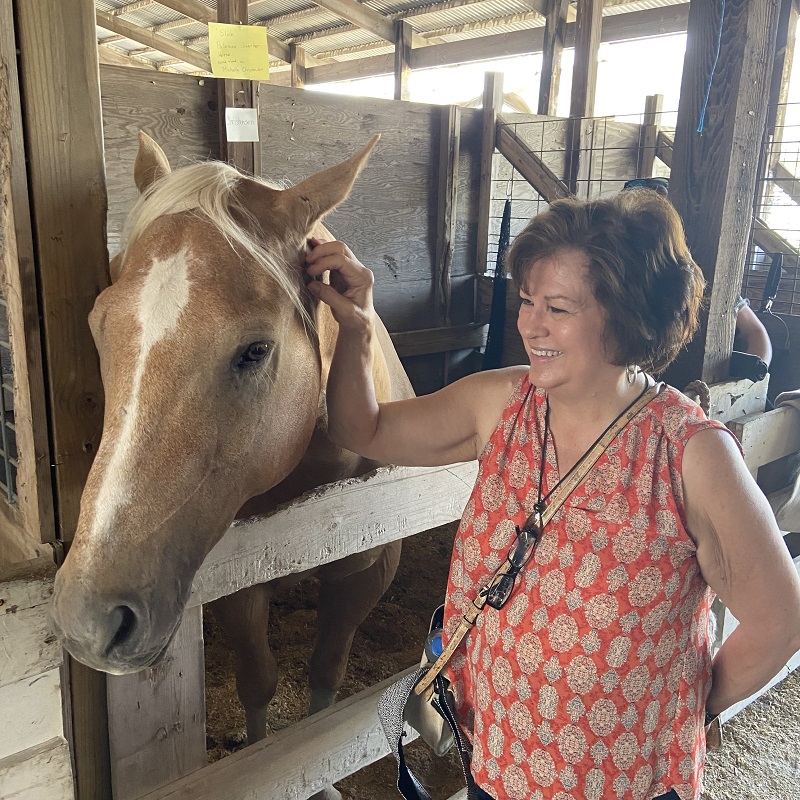
Attending a county or state fair today is an opportunity to immerse yourself in history and agriculture. Support the county 4-H students by watching a livestock show or enjoy a corndog while spectating the demo derby; you may just be standing where another Illinoisan stood hundreds of years ago.
The Illinois Department of Agriculture has a list of county fairs and their dates here.


